A child’s routine is shaped before they enter the home. School distance, travel time, and route consistency define how much energy remains for the rest of the day. Longer commutes reduce engagement after school and shift the day toward recovery.
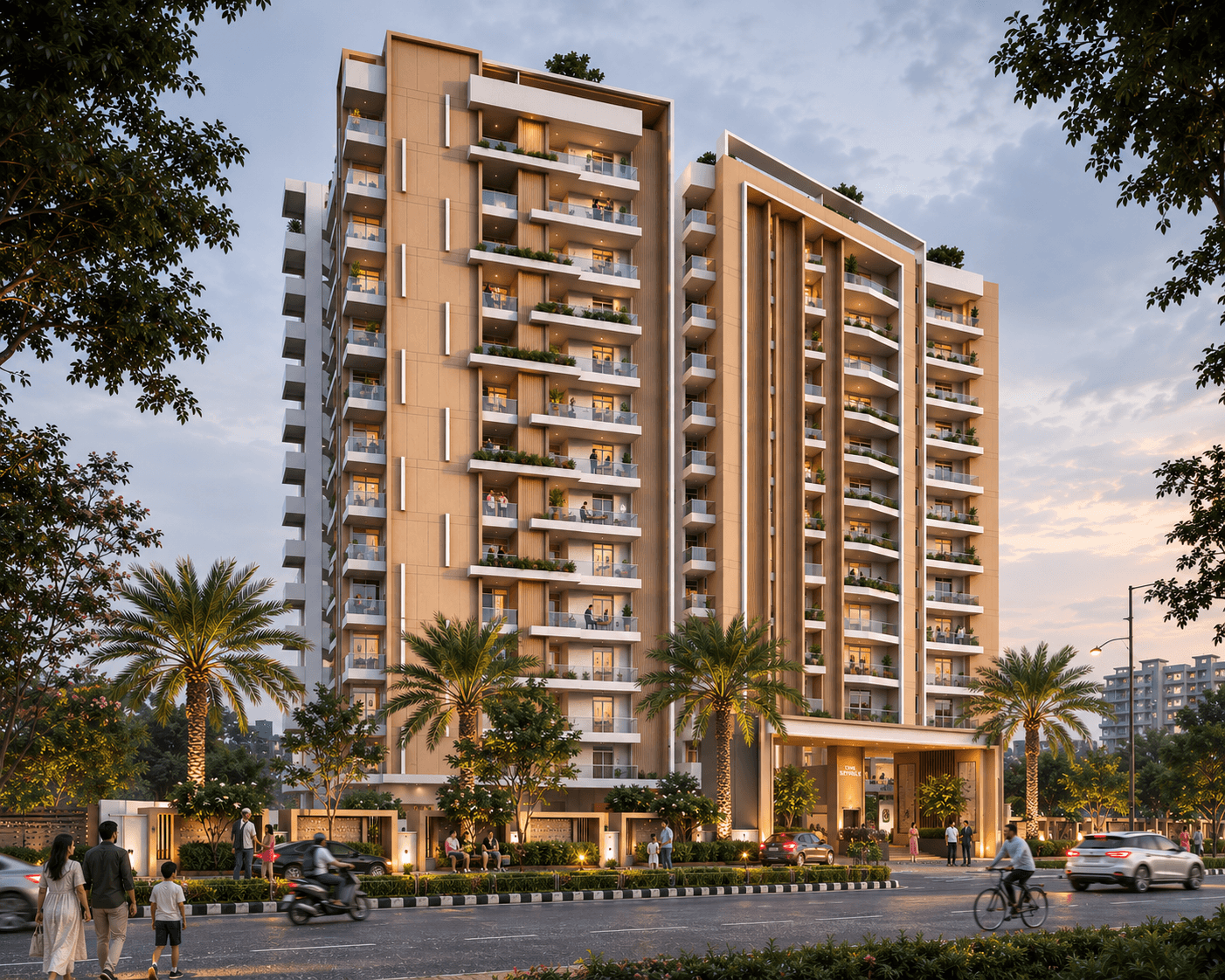
At KDMS Skywalk, located in Patrakar Colony, Mansarovar Extension, we plan for proximity to schools and direct access routes. Shorter travel time allows children to return with energy intact and move into the next part of their day without pause.
Spaces That Hold Daily Activity
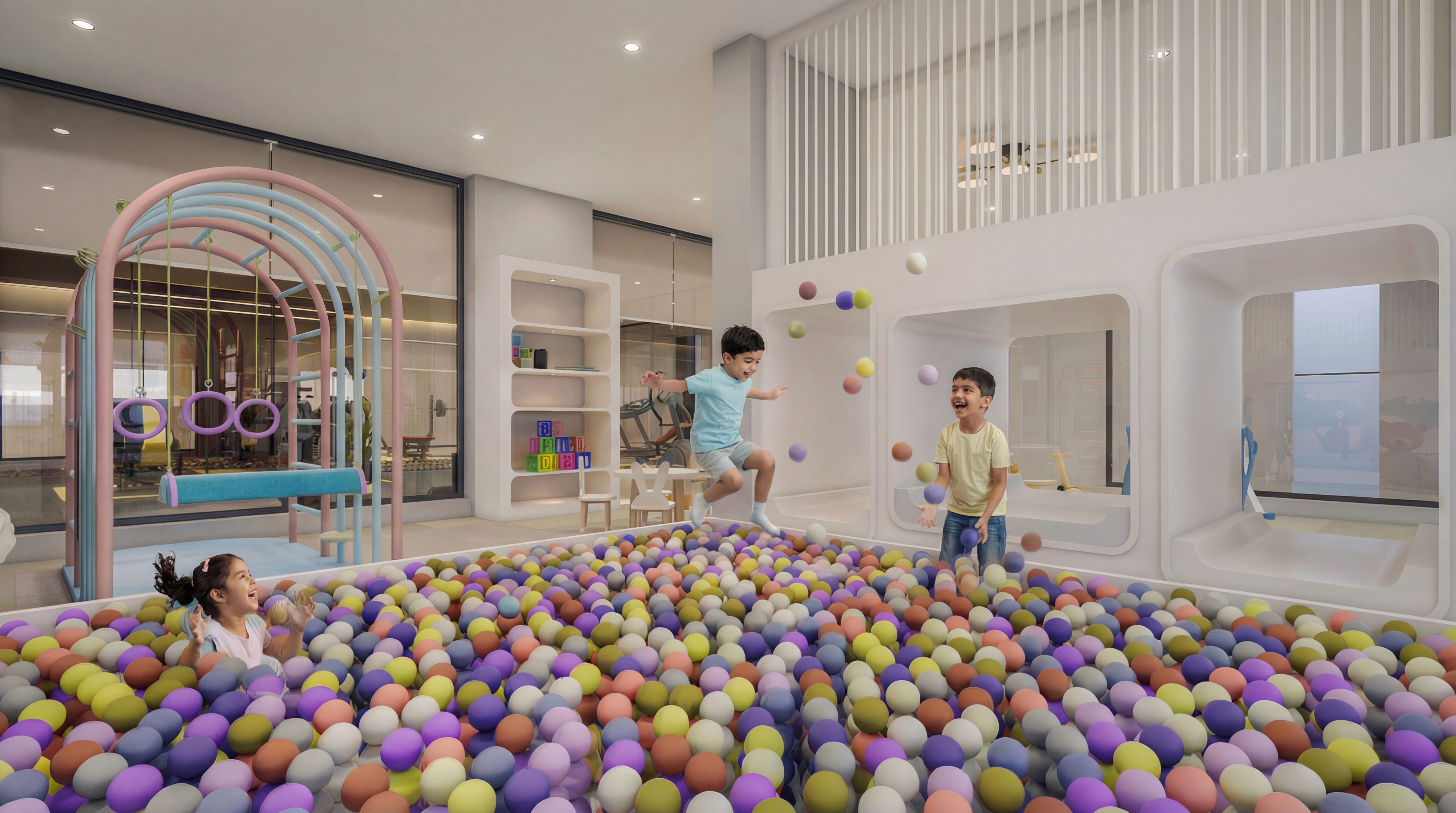
Children use spaces that fit into their routine without effort. Irregular use reduces relevance. Indoor and outdoor environments are positioned for repeated use. The kids' playroom supports activity during limited hours or weather constraints. The children's play area allows physical movement to remain part of everyday life. The kids' pool is separated from the main pool, which creates a defined and controlled setting for regular use.
Day care supports working parents while maintaining continuity in a child’s environment. Children remain within a familiar setting through the day, which reduces disruption and supports stability.
Interaction Built Through Repetition
Regular use of shared spaces leads to consistent interaction. Children begin to recognise and engage with the same group over time.
This pattern builds comfort without external coordination. Interaction becomes part of routine movement. Time gradually shifts from isolated indoor activity to shared engagement.
This consistency practically supports social development.
Clarity in Movement and Use
Children engage more when movement feels clear. Layout influences how confidently spaces are used.
We design open and accessible zones that allow children to navigate without confusion. Parents remain aware of activity through spatial clarity. This creates an environment where independence increases within a controlled setting.
Balancing Activity With Focus
A complete routine requires both movement and concentration.
The art and activity room provides a space for quieter engagement within the same environment. Children shift from physical activity to focused work without leaving the community. This reduces dependency on external facilities for structured activities.
A System That Supports Everyday Life
A child’s routine depends on how well different parts of the day connect. School access, movement, space usage, and interaction must work together.
We plan these elements as a continuous system. Each layer supports the next. The result is a routine that remains active, stable, and sustainable over time.
This is how we approach residential planning for families. Spaces are defined by how consistently they support daily life.